GUIDE 01
Reading the moon
Bioluminescence, meteor showers, fireflies and faint auroras all improve dramatically near the new moon. Learn to plan by lunar phase first.
Open the calendar →Field Atlas · Vol. 2026 · Independent Natural Science Directory
A science-first guide to Earth's most extraordinary natural events — from bioluminescent bays and auroral storms to firefalls, geysers, butterfly migrations and the 2026 total solar eclipse. Learn what they are, why they happen, and exactly when to witness them.
Classification Index
Every entry in our atlas is classified like a museum specimen: by type, scientific discipline, rarity, season and viewing environment. Choose a class to open the filtered atlas.
Specimen Collection · Live search above
Eight verified, world-class natural spectacles, each with coordinates, a 12-month activity strip and an editorial observation index. Open the specs for the full science, galleries and field notes.
Seasonal Timeline
Nature runs on schedules set by orbital mechanics, solar cycles, snowmelt and insect life cycles. Use this observation calendar to plan around peak windows rather than chance.
Scientific Strata
Read the Earth like a geological core. Each layer generates its own family of phenomena — from charged particles 250 km overhead to magma chambers kilometres below.
Auroras, eclipses, meteor showers, supermoons, halos, moonbows and noctilucent clouds — light shaped by the Sun, Moon and our magnetic shield.
Fireflies, glowworms, monarch butterflies, whale migrations and desert blooms — phenomena created by living organisms responding to season and instinct.
Bioluminescent bays, red tides, tidal bores, rainbow waterfalls and ice caves — water as a canvas for chemistry, light and motion.
Geysers, hot springs, lava fields, natural arches and dune seas — the slow and sudden sculpting of Earth's crust.
Editorial Dispatch · Trend Report
Year-over-year search interest in “bioluminescent beaches near me” has climbed by roughly 400%. Social video has made living light feel within reach — yet most viral clips are heavily edited long exposures, and the best displays depend on moon phase, water temperature and nutrient levels.
Our bioluminescence entries explain the biology of dinoflagellates and the realistic conditions you need: dark skies, calm water and the right week of the lunar cycle. We also explain what to avoid, from swimming in protected bays to chemical sunscreen.
Read the Mosquito Bay specification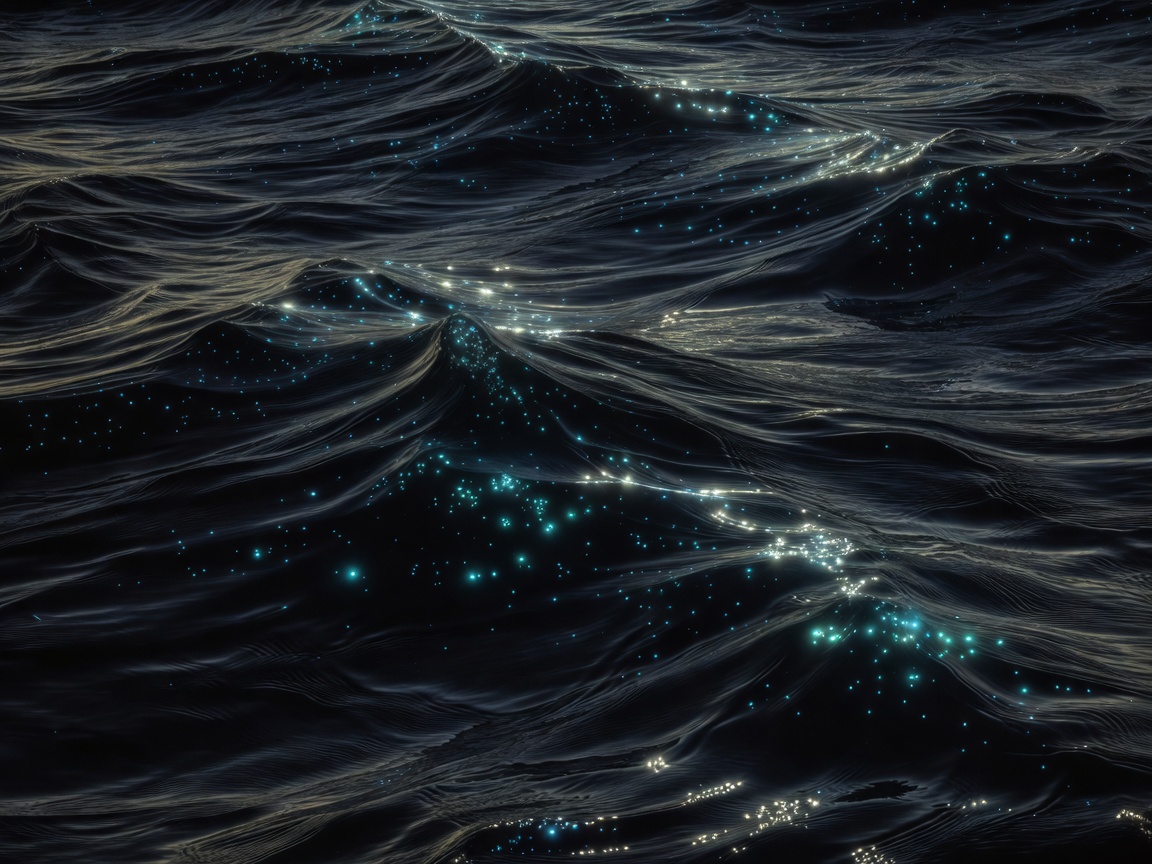
Observation Guides
Seeing a phenomenon is often less about luck than method. These editorial guides cover the essentials every observer should know.
GUIDE 01
Bioluminescence, meteor showers, fireflies and faint auroras all improve dramatically near the new moon. Learn to plan by lunar phase first.
Open the calendar →GUIDE 02
Understand the Kp index, solar wind speed and the Bz component so you can tell a good aurora night from a hopeful one.
Aurora destinations →GUIDE 03
Red-filtered torches, no flash, no drones near wildlife. Responsible observation keeps fragile phenomena alive for the next generation.
Responsible practices →GUIDE 04
Exposure triangles for glowing water, star-stacking for fireflies and certified filters for eclipses — the technical toolkit.
Photography toolkit →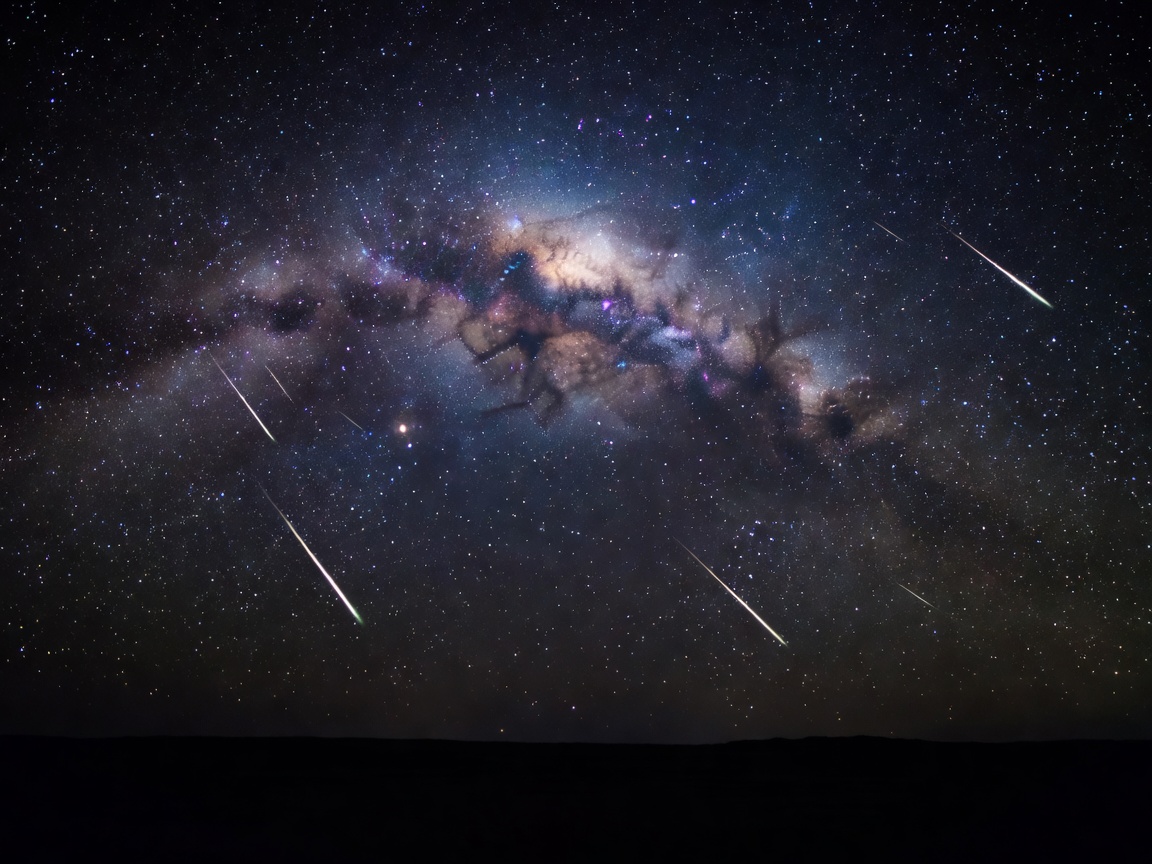
Field note · Observatory desk · 2026 season
The week of 12 August 2026 brings a rare double alignment for European observers: a total solar eclipse crossing Iceland and Spain, and the Perseid meteor shower peaking under a moonless sky — because the eclipse itself requires a new moon.
Observers in northern Spain can watch totality at sunset and then, after dark, the year's most popular meteor shower at up to 100 meteors per hour under ideal skies.
Read the eclipse specification →