Editorial Field Guides · Updated 2026

Destination guides to Earth's rare experiences

Region-by-region guidance on where nature performs at its best — glowing coastlines, auroral zones, active volcanoes, thermal springs and sculpted landscapes — plus the calendars, ethics and camera craft that turn a trip into an observation.

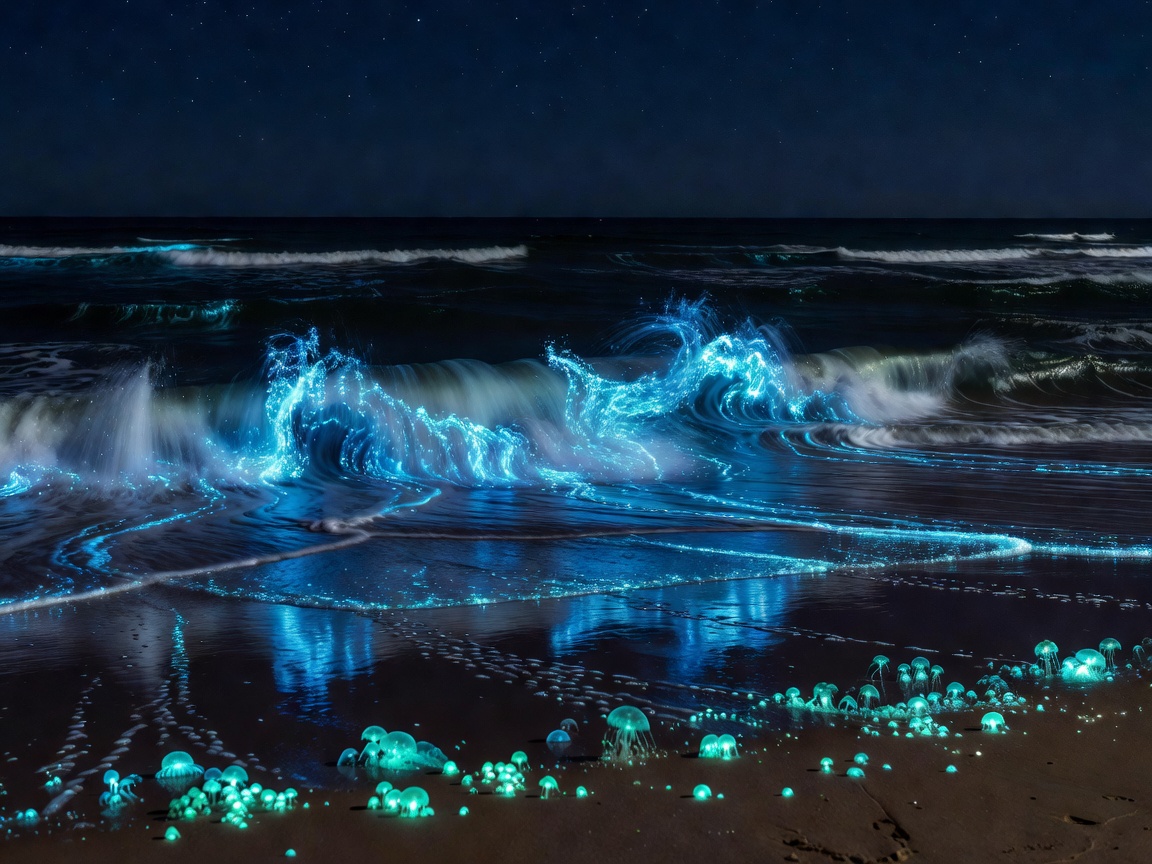
Night waves washing onto a beach, the setting for bioluminescent coastal displays
HYDROSPHERE · Living light in coastal water

Guide 01 · Bioluminescent water

Where the sea lights up

Marine bioluminescence is produced mainly by dinoflagellates, which flash when disturbed. Permanent "bio bays" are rare: they need sheltered lagoons with limited tidal exchange. Elsewhere, displays are episodic and linked to plankton blooms after warm, calm spells.

  • Mosquito Bay, Vieques, Puerto Rico — the brightest documented bio bay.Year-round · new moon
  • Laguna Grande, Fajardo & La Parguera, Puerto Rico — two further bio bays on the main island.Year-round · kayak access
  • Toyama Bay, Japan — firefly squid (hotaru-ika) glowing blue along the shore.March – June · pre-dawn
  • Jervis Bay, New South Wales, Australia — episodic Noctiluca blooms.Most often late summer – autumn
  • Vaadhoo & Maldivian atolls — "sea of stars" shorelines during plankton blooms.Episodic · warm months
Read the Mosquito Bay specification →

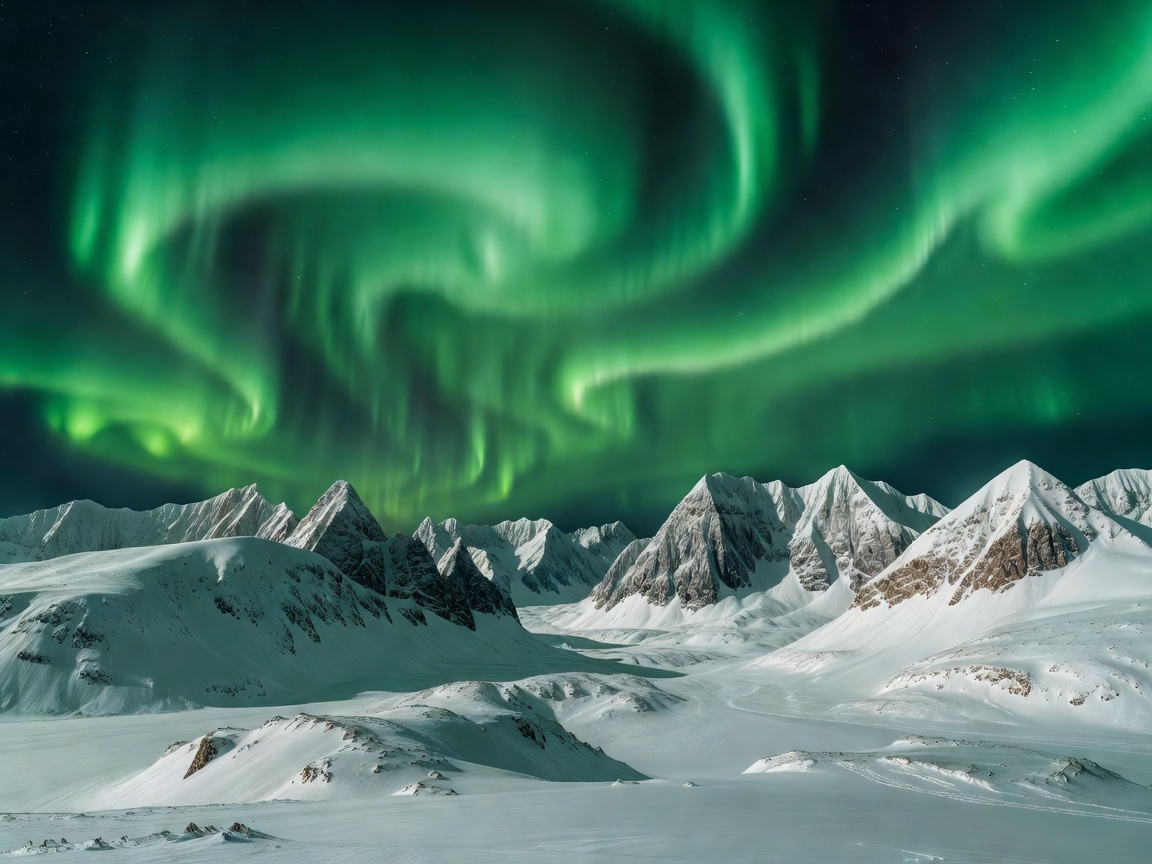
Green aurora curtains over snowy Arctic peaks, typical of high-latitude aurora destinations
ATMOSPHERE · Northern & southern lights

Guide 02 · Aurora viewing

Under the auroral oval

The best aurora destinations lie between roughly 65° and 70° geomagnetic latitude, where the oval passes overhead on most active nights. Clear-sky statistics matter as much as latitude — inland, continental sites are often clearer than maritime coasts.

  • Tromsø, Norway — accessible Arctic city beneath the oval.Sep – Apr
  • Abisko, Sweden — famous "blue hole" of clearer skies in a rain shadow.Sep – Mar
  • Fairbanks, Alaska, USA — continental climate with frequent clear nights.late Aug – Apr
  • Yellowknife, Northwest Territories, Canada — flat terrain and many clear winter nights.Nov – Apr · Aug – Sep
  • Aurora australis: Tasmania, Australia & Stewart Island, New Zealand — southern lights over the Southern Ocean.Mar – Sep

Read the Tromsø aurora specification →

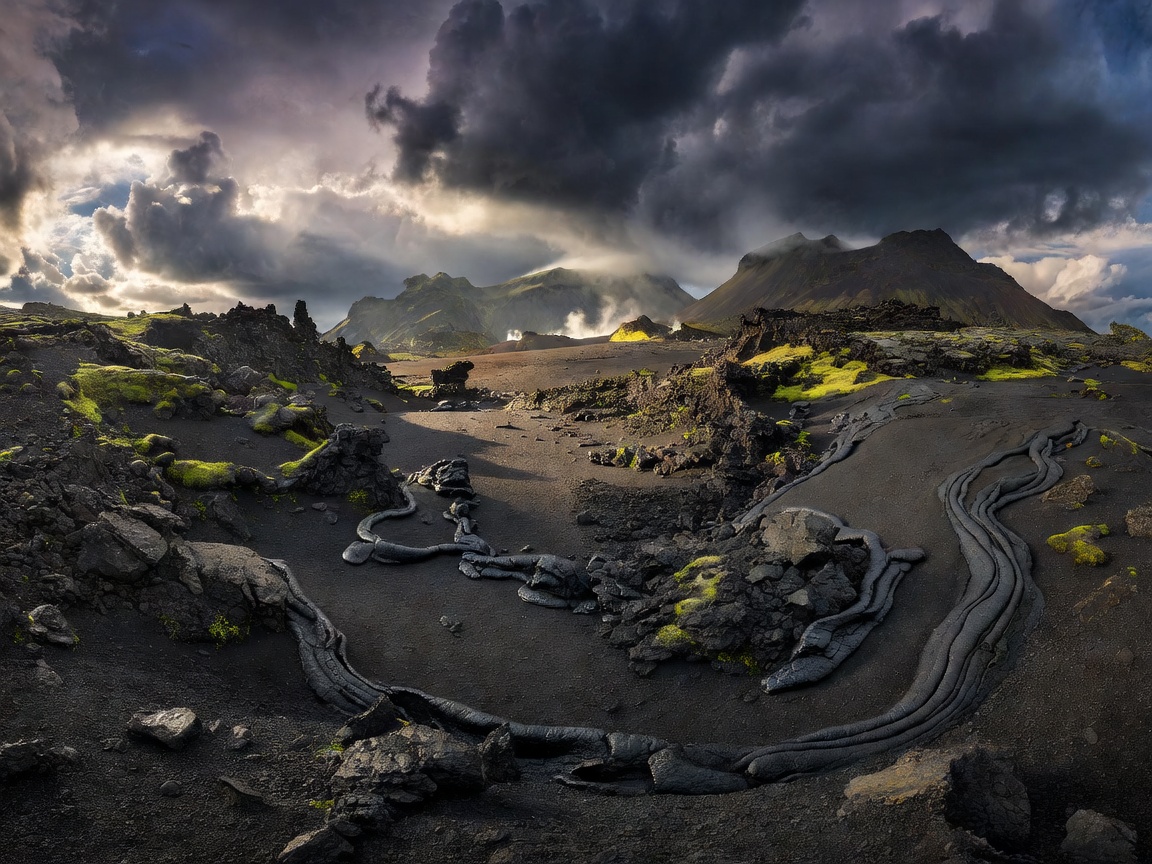
Rugged volcanic Icelandic terrain under dramatic skies
LITHOSPHERE · Fire beneath the surface

Guide 03 · Volcanic landscapes

Living volcanic terrain

Volcanic activity is dynamic: eruptions begin and end, and access changes daily. Always rely on official volcanological observatories and park services before visiting active zones, and never enter closed areas.

  • Hawaiʻi Volcanoes National Park, USA — Kīlauea's summit caldera and lava-field landscapes.Year-round · check USGS HVO
  • Mount Etna, Sicily, Italy — Europe's most active stratovolcano.Spring – autumn for summit areas
  • Reykjanes Peninsula, Iceland — recently re-awakened fissure systems.Eruptions episodic
  • Kawah Ijen, East Java, Indonesia — blue flames of burning sulphur gas before dawn.Dry season · gas masks required
  • Tongariro National Park, New Zealand — volcanic crossing with emerald crater lakes.Nov – Apr
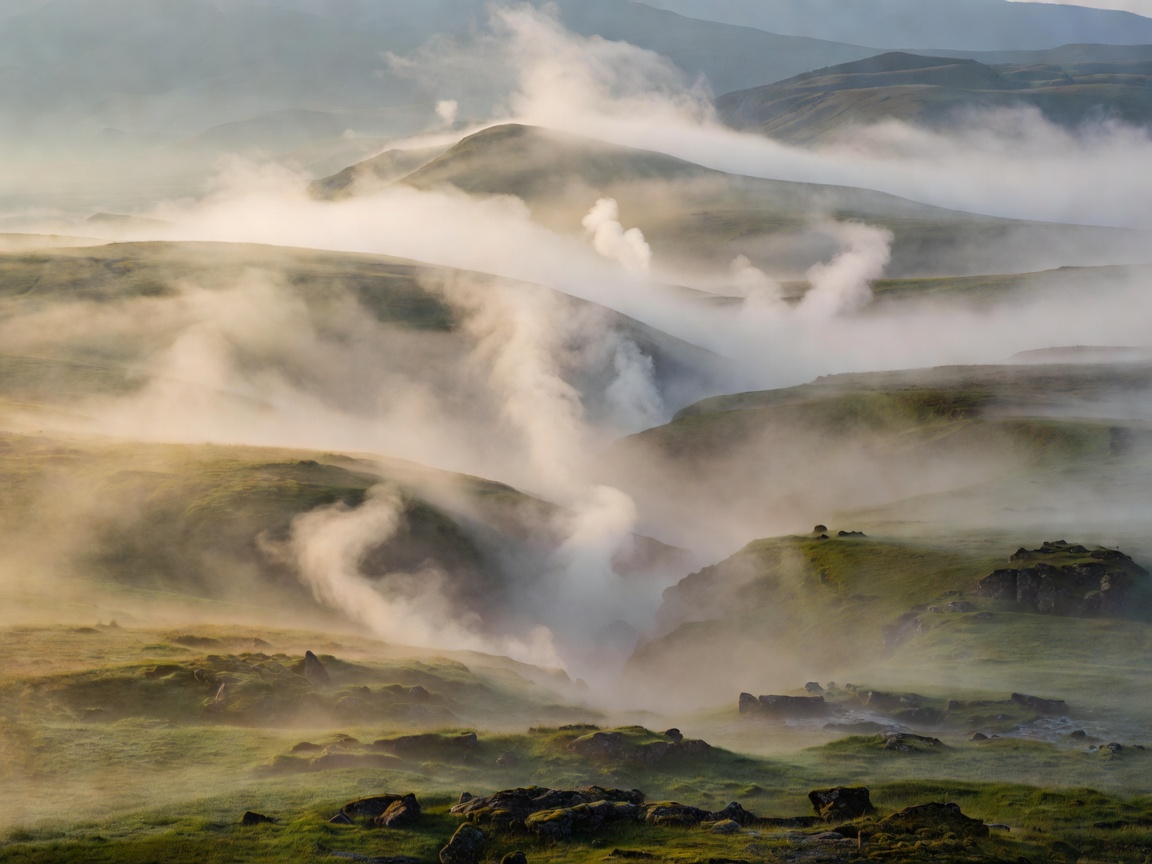
Mist drifting across hills, similar to steam rising from natural hot springs
GEOTHERMAL · Springs, geysers and terraces

Guide 04 · Natural springs & geysers

Thermal waters & mineral terraces

Hot springs form where groundwater meets heat at depth; their colours often come from thermophilic microbial mats that thrive at specific temperatures, creating natural "rainbow" rings.

  • Grand Prismatic Spring, Yellowstone, USA — rainbow microbial rings around a deep blue centre.Late spring – autumn
  • Haukadalur (Strokkur), Iceland — the most reliable geyser for observers.Year-round
  • Pamukkale, Türkiye — white travertine terraces beside ancient Hierapolis.Year-round · barefoot only
  • Rotorua, New Zealand — Pōhutu geyser and Māori geothermal heritage.Year-round
  • Beppu, Japan — the colourful "Hells" (jigoku) hot springs.Year-round

Read the Strokkur specification →

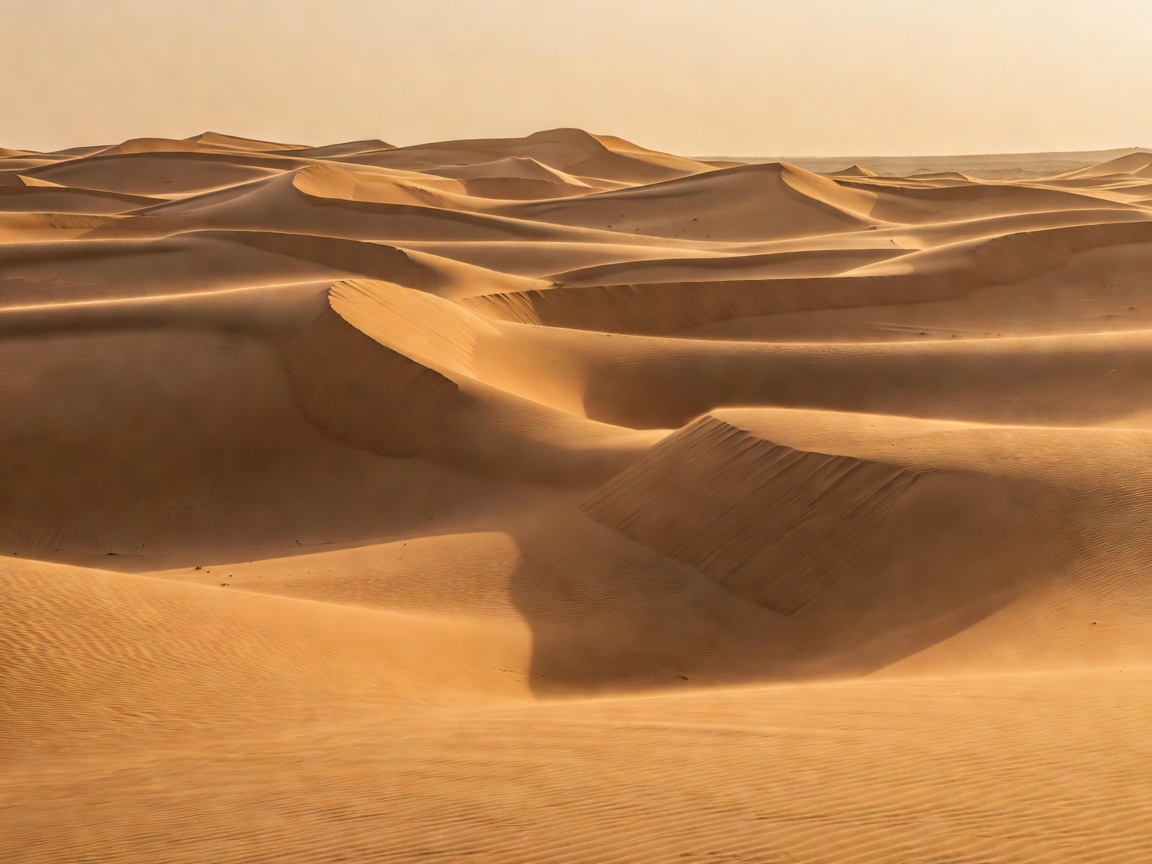
Sweeping desert sand dunes sculpted by wind under warm light
GEOMORPHOLOGY · Wind, water and time

Guide 05 · Dramatic geological formations

Arches, dunes, salt flats & ice

Geological phenomena change over millennia, but light and season transform how we see them — from the mirror effect on salt flats after rain to winter ice caves that exist only for a few months.

  • Salar de Uyuni, Bolivia — world's largest salt flat; sky-mirror reflections in the wet season.Mirror effect: Jan – Mar
  • Arches National Park, Utah, USA — more than 2,000 natural sandstone arches.Spring & autumn
  • Giant's Causeway, Northern Ireland — about 40,000 interlocking basalt columns.Year-round
  • Vatnajökull ice caves, Iceland — blue glacial caves explored only with certified guides.~Nov – Mar
  • Namib Sand Sea, Namibia — some of the world's tallest dunes at Sossusvlei.Dawn light · year-round
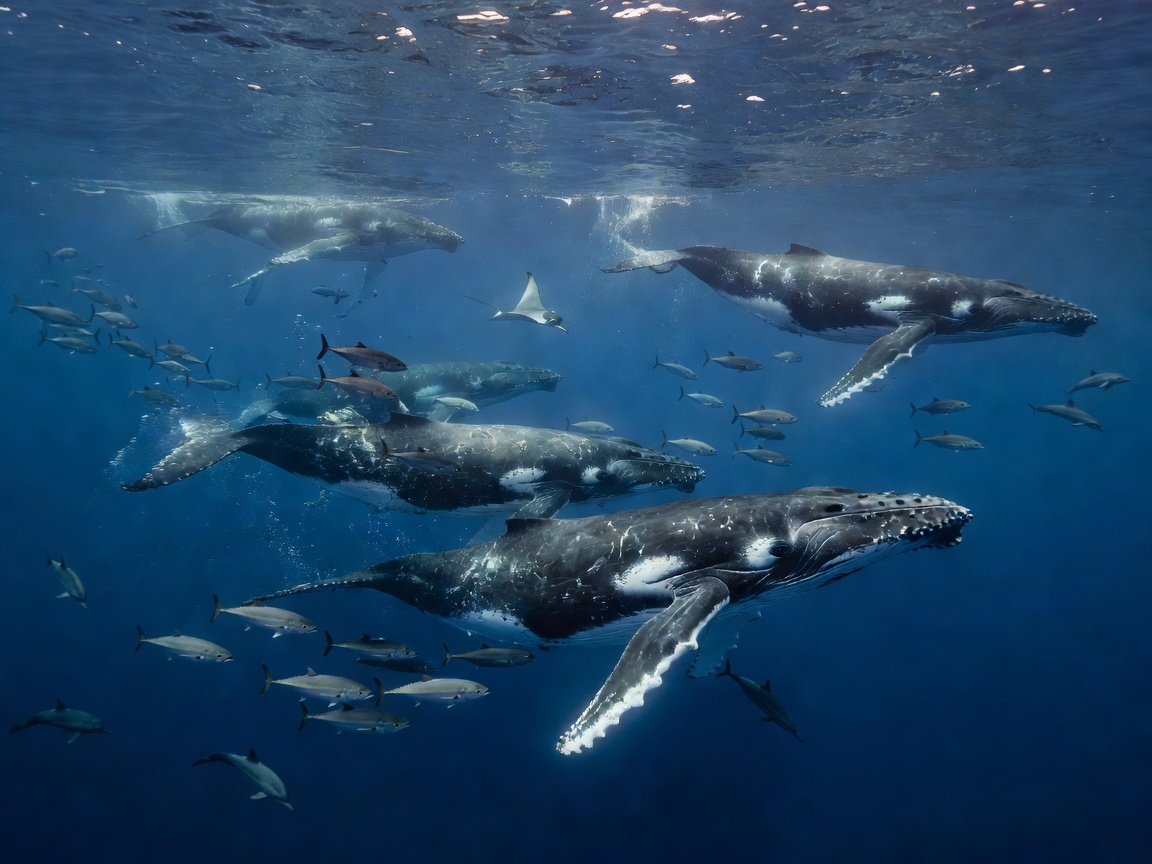
Blue open ocean water with marine life, habitat of migrating whales
BIOSPHERE · Mass movement & living light

Guide 06 · Wildlife spectacles & blooms

Migrations, fireflies & desert blooms

Biological spectacles are triggered by temperature, rainfall and day length. They shift year to year, so follow scientific monitoring programmes and local park announcements.

  • Monarch Butterfly Biosphere Reserve, Mexico — overwintering monarch colonies.Nov – Mar
  • Elkmont, Great Smoky Mountains, USA — synchronous fireflies.Late May – mid June
  • Christmas Island, Australia — tens of millions of red crabs migrating to the sea.Wet season, Oct – Dec
  • Hervey Bay, Queensland, Australia — humpback whales resting on their southern migration.Jul – Oct
  • Namaqualand, South Africa & Atacama "desierto florido", Chile — desert wildflower superblooms.Aug – Sep (rain-dependent)

Seasonal Calendar

A year of natural phenomena

Month-by-month guide to natural phenomena
SeasonPhenomenaKey regions
Dec – FebAurora peaks, monarch colonies, Yosemite firefall, Geminid meteors (mid-Dec), ice cavesArctic Norway, Mexico, California, Iceland
Mar – MayEquinox aurora activity, firefly squid, cherry-season firefly prelude, Uyuni mirror endsScandinavia, Japan, Bolivia
Jun – AugSynchronous fireflies, midnight sun, noctilucent clouds, Perseid meteors, humpback whalesTennessee, Arctic, Northern Europe, Queensland
12 Aug 2026Total solar eclipse + Perseid peak under new moonIceland, Spain
Sep – NovReturn of aurora season, desert blooms, red crab migration, monarch arrival (late Oct)Alaska, South Africa, Chile, Christmas Island, Mexico
Year-roundBioluminescent bays, glowworm caves, geysers, hot springs, geological formationsPuerto Rico, New Zealand, Iceland, Türkiye

Science Primer

Expandable explanations

Why is bioluminescence usually blue-green?

Blue-green light (roughly 450–490 nm) travels furthest through seawater, so most marine organisms evolved to emit in this range. Terrestrial fireflies often glow yellow-green instead, a colour well suited to vision in vegetated, twilight environments.

What is the Kp index?

Kp is a 0–9 scale of global geomagnetic disturbance, derived from magnetometer readings every three hours. Higher values push the auroral oval toward the equator. Under the oval (e.g., Tromsø) Kp 1–3 can be enough; mid-latitudes typically need Kp 6 or higher.

How do moonbows and fogbows form?

Moonbows are rainbows produced by moonlight refracting in water droplets, best seen near a full moon at large waterfalls such as Victoria Falls or Cumberland Falls in Kentucky. Fogbows form in tiny fog droplets, which blur colours into a ghostly white arc.

What makes a supermoon?

A supermoon is a full moon occurring near perigee, the Moon's closest point to Earth, appearing up to about 14% larger and 30% brighter than a full moon at apogee. Supermoons also produce slightly larger perigean spring tides.

Why do some lakes turn pink, red or turquoise?

Colour comes from chemistry and biology: salt-loving algae such as Dunaliella salina and halophilic archaea tint hypersaline lakes pink, while glacial "rock flour" suspended in meltwater scatters light to create turquoise lakes.

Observation Ethics

Responsible observation practices

  • Use red-filtered lights pointed downward at night-time phenomena; never use flash near wildlife or glowing organisms.
  • Stay on marked paths and behind barriers — geothermal crusts, dunes and cryptobiotic soils are fragile and sometimes dangerous.
  • Do not swim in protected bioluminescent bays or apply sunscreen and repellents before entering sensitive waters.
  • Hire licensed, local guides; their income funds protection of the very places you visit.
  • Follow drone regulations — most national parks and wildlife reserves prohibit them.
  • Respect Indigenous lands, sacred sites and local communities; seek permission where required.
  • Pack out all waste and leave natural objects — shells, rocks, butterflies — where you find them.

Photography toolkit · Quick reference

Exposure starting points

Aurora: 14–24 mm, f/2, ISO 1600–3200, 2–10 s.

Bioluminescence: f/1.4–2.8, ISO 3200–6400, 10–30 s, stable platform.

Fireflies: f/2.8, ISO 1600, 15 s frames, stack 30–60.

Geysers: 1/1000 s+, burst mode, polariser.

Eclipse partial phases: ISO 12312-2 certified filter, always. Remove only during totality.

Meteors: wide lens, f/2, ISO 3200, 20 s intervals for hours.